

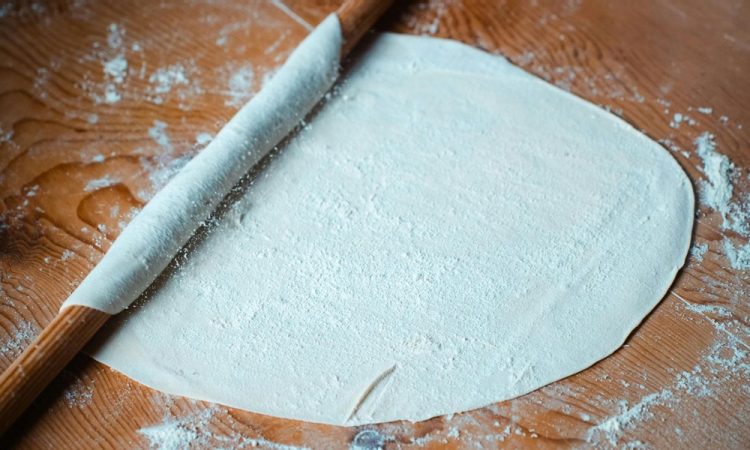
A breadmaking course is a structured training programme that teaches the fundamental techniques, ingredients, and processes required to produce bread consistently. In Singapore, these courses are commonly offered through culinary schools, community training providers, and workforce development programmes, catering to both beginners and individuals seeking practical skills.
Breadmaking involves controlled fermentation, ingredient handling, and baking methods that affect texture, flavour, and structure. A structured course helps learners understand these principles while gaining hands-on experience in preparing different types of bread. This article explains what a breadmaking course includes, the tools and techniques involved, and how it can support personal or professional development.
What Is a Breadmaking Course
A breadmaking course is a practical learning programme focused on teaching the science and techniques behind bread production. It typically combines theoretical instruction with hands-on baking sessions to develop both knowledge and skills.
The course introduces core concepts such as dough formation, fermentation, and baking conditions. Learners are guided through step-by-step processes to produce various bread types while understanding the role of each ingredient. This ensures consistent results and helps avoid common baking errors.
In Singapore, such courses are often aligned with skills-based training frameworks, making them suitable for hobbyists, aspiring bakers, or individuals exploring food-related careers.
Key Skills Taught in a Breadmaking Course
A breadmaking course develops practical and technical baking skills that are essential for producing quality bread. These skills focus on both manual techniques and process understanding.
The main skills typically covered include:
- Dough mixing and kneading techniques to develop gluten structure
- Fermentation control, including proofing time and temperature
- Shaping methods for different bread types
- Baking techniques, including oven management and timing
- Understanding ingredient ratios and recipe adjustments
Each skill is taught through guided practice, allowing learners to refine their technique and recognise how changes in process affect the final product. This structured approach helps build consistency and confidence.
Understanding Bread Ingredients and Their Functions
Breadmaking relies on a combination of basic ingredients, each serving a specific function in the baking process. Understanding these roles is essential for achieving consistent results.
The core ingredients include:
- Flour: Provides structure through gluten formation
- Water: Activates gluten and hydrates ingredients
- Yeast: Facilitates fermentation and produces gas for rising
- Salt: Enhances flavour and controls yeast activity
- Sugar or fats (optional): Add flavour, softness, or richness
A breadmaking course explains how these ingredients interact during mixing and fermentation. Learners also understand how variations in ingredient ratios influence texture, crust, and flavour.
Types of Bread Covered in Training
Breadmaking courses introduce a range of bread types to demonstrate different techniques and styles. Each type requires specific handling and baking conditions.
Common bread varieties taught include:
- White bread and sandwich loaves
- Wholemeal or multigrain bread
- Artisan breads such as baguettes or sourdough
- Enriched breads like brioche or milk bread
By working with different recipes, learners gain exposure to varied dough consistencies and fermentation methods. This helps build adaptability and a broader understanding of breadmaking.
Breadmaking Techniques Explained
Breadmaking techniques refer to the processes used to prepare, shape, and bake dough into finished bread. These techniques directly influence texture, volume, and crust quality.
Key techniques include:
- Kneading: Develops gluten structure for elasticity
- Proofing: Allows dough to rise through fermentation
- Scoring: Controls expansion during baking
- Baking: Uses heat to set structure and develop crust
A breadmaking course demonstrates these techniques through guided practice. Learners understand how timing, temperature, and handling affect outcomes, allowing for better control over the final product.
Tools and Equipment Used in Breadmaking
Breadmaking requires specific tools to ensure precision and efficiency. A course introduces essential equipment and demonstrates how each tool is used correctly.
The commonly used tools include:
- Mixing bowls and dough scrapers for preparation
- Digital scales for accurate measurement
- Proofing baskets or trays for fermentation
- Baking trays or ovens for consistent heat application
- Thermometers to monitor dough and oven temperature
Proper use of these tools helps maintain consistency in baking results. A breadmaking course ensures learners are familiar with both basic and professional equipment.
Hygiene and Food Safety Practices
Food safety is a critical component of breadmaking, particularly in structured training environments. A breadmaking course includes guidelines to ensure safe handling of ingredients and equipment.
The essential practices include:
- Maintaining clean work surfaces and tools
- Proper storage of ingredients to prevent contamination
- Personal hygiene, including handwashing and protective attire
- Safe handling of hot equipment and baked products
These practices are especially relevant in Singapore, where food safety standards are strictly regulated. Understanding hygiene ensures that bread produced is safe for consumption.
Learning Formats Available in Singapore
Breadmaking courses in Singapore are available in various formats to accommodate different learning needs. These formats range from short workshops to structured training programmes.
The main formats include:
- Short introductory workshops for beginners
- Part-time courses for working individuals
- Skills-based training programmes with certification
- Hands-on classes conducted in professional kitchens
Each format offers a different level of depth and commitment. Learners can choose based on their goals, whether for personal interest or skill development.
Who Should Take a Breadmaking Course
A breadmaking course is suitable for individuals with different levels of experience and objectives. It provides structured learning regardless of prior knowledge.
Typical participants include:
- Beginners with no baking experience
- Home bakers seeking to improve consistency
- Individuals exploring food-related skills
- Those considering entry-level roles in the food industry
The course is designed to be accessible, with step-by-step guidance and practical sessions. This ensures that learners can progress at their own pace.
Benefits of Structured Breadmaking Training
Structured training provides a systematic approach to learning breadmaking, which improves both efficiency and outcomes. It ensures that learners understand not only how to bake but why each step is important.
The benefits include:
- Clear understanding of baking processes
- Consistent results through controlled techniques
- Reduced trial-and-error learning
- Practical experience under supervision
This approach helps learners build confidence and apply their skills effectively, whether at home or in a professional setting.
Common Challenges in Breadmaking and How Courses Address Them
Breadmaking involves variables such as temperature, humidity, and ingredient quality, which can affect results. Beginners often encounter challenges that impact consistency.
Common challenges include:
- Dough not rising properly
- Incorrect texture or density
- Overbaking or underbaking
- Inconsistent shaping
A breadmaking course addresses these challenges by providing guided practice and troubleshooting techniques. Learners understand how to adjust processes to achieve desired results.
Breadmaking as a Practical Skill in Singapore
Breadmaking is a practical skill that aligns with Singapore’s focus on workforce development and lifelong learning. It supports both personal and professional growth.
The skill is relevant in various contexts:
- Home baking and personal consumption
- Food preparation in small-scale businesses
- Entry-level roles in bakeries or food establishments
- Skills upgrading for individuals in the food sector
Training programmes often emphasise practical application, ensuring that learners can use their skills immediately.
Certification and Skills Recognition
Some breadmaking courses in Singapore are aligned with skills-based certification frameworks. These certifications recognise competency in basic breadmaking techniques.
Certification typically indicates:
- Completion of structured training
- Demonstration of practical baking skills
- Understanding of food safety and hygiene
This recognition can support career progression or provide a foundation for further culinary training.
Breadmaking and Career Opportunities
Breadmaking skills can support entry-level roles in the food and beverage industry. While a basic course provides foundational knowledge, it can be a starting point for further development.
Possible career pathways include:
- Bakery assistant roles
- Food preparation positions
- Small-scale home-based baking businesses
- Further culinary education and specialisation
A breadmaking course introduces industry practices, helping learners understand expectations in professional environments.
Comparison of Home Learning vs Structured Courses
| Aspect | Home Learning | Breadmaking Course |
| Guidance | Self-directed | Instructor-led |
| Skill Development | Trial and error | Structured learning |
| Equipment Access | Limited | Professional tools |
| Feedback | Minimal | Immediate feedback |
| Consistency | Variable | Controlled outcomes |
This comparison highlights how structured training provides a more systematic learning experience, especially for beginners.
How to Choose the Right Breadmaking Course
Selecting a breadmaking course involves evaluating several factors to ensure it meets learning objectives. The choice depends on individual goals and availability.
Key considerations include:
- Course duration and schedule
- Level of difficulty (beginner or intermediate)
- Availability of hands-on practice
- Instructor experience and training environment
Choosing the right course ensures that learners gain relevant skills and practical experience.
FAQs
What is taught in a breadmaking course?
A breadmaking course teaches the basics of dough preparation, fermentation, shaping, and baking. It also covers ingredient functions and food safety practices. Learners gain both theoretical knowledge and hands-on experience.
Do I need prior experience to join a breadmaking course?
Most beginner courses do not require prior experience. They are designed to introduce fundamental skills in a structured way. Step-by-step guidance ensures accessibility for new learners.
How long does it take to learn breadmaking?
Basic breadmaking skills can be learned within a short course or workshop. However, achieving consistency requires practice and repeated application of techniques. Structured training helps accelerate the learning process.
What tools are needed for breadmaking?
Basic tools include mixing bowls, scales, baking trays, and an oven. Courses also introduce additional tools such as proofing baskets and thermometers. Proper equipment helps improve accuracy and results.
Can breadmaking lead to a career?
Breadmaking can support entry-level roles in bakeries or food preparation environments. It can also be used for small-scale baking activities. Further training may be required for advanced roles.
Bringing It All Together: Key Takeaways
A breadmaking course provides structured training in essential techniques, ingredient handling, and baking processes that support consistent results. By combining practical application with an understanding of the underlying principles, learners can develop confidence and improve their ability to produce quality bread in both home and professional settings.
For individuals looking to build practical baking skills, structured training offers a clear and guided pathway to developing consistency and refining technique over time.
Build your breadmaking skills with a structured course designed to develop practical techniques and consistent results.