
Water reveals every movement, whether efficient or wasteful. Small adjustments often create the biggest improvements. Learning under skilled guidance turns confusing motions into controlled actions, making each session more rewarding. Confidence grows alongside technique because every correction has a clear purpose. Adult swimming lessons offer steady instruction, helping adults master essential skills through focused practice rather than guesswork.
What Builds Strong Swimming Technique From the Beginning?
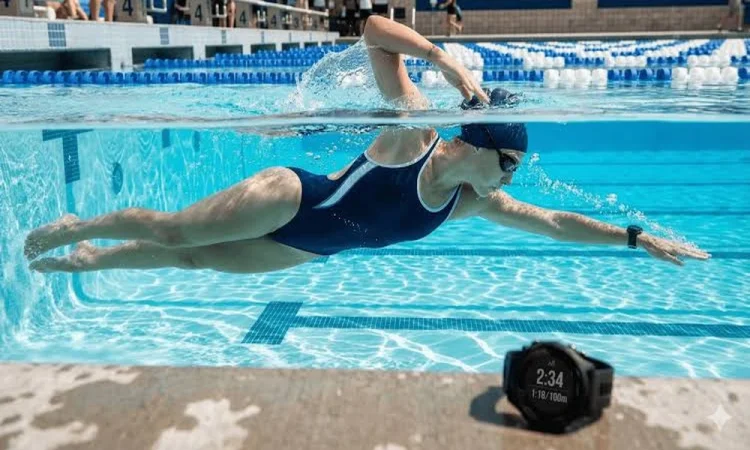
Strong swimming begins with body awareness instead of speed. Proper alignment keeps the body balanced across the water. Calm breathing reduces tension before each stroke begins. Every movement connects with the next, creating steady momentum. Early coaching prevents habits that become difficult to change later. A learner who understands movement gains confidence through every successful lap.
Small Corrections Deliver Noticeable Results
Tiny improvements often create visible changes inside the pool. An instructor notices details overlooked during independent practice. Raising the head slightly can slow forward movement. Lowering the shoulders creates smoother balance across each stroke. While effort remains important, accurate technique produces greater control with less unnecessary strain.
Key improvements often include:
- Controlled breathing during each stroke cycle
- Balanced floating before stronger movement
- Smooth arm recovery above water
- Steady kicking from relaxed hips
- Consistent body alignment through every lap
Why Guided Sessions Create Faster Improvement
Every lesson introduces purposeful feedback instead of repeated trial and error. Adult swimming lessons help participants recognize movement patterns before poor habits develop. Clear demonstrations remove uncertainty from each exercise. One swimmer may improve through breathing drills. Another may benefit from posture adjustments before increasing swimming distance.
Useful coaching often includes:
- Individual stroke observation
- Timed breathing practice
- Floating confidence exercises
- Turn refinement
Skill Development Extends Beyond Swimming Distance
Longer swims rarely depend upon physical strength alone. Efficient movement conserves energy across every lap. Balanced technique protects shoulders during repeated practice. Comfortable breathing encourages calmer decision-making inside deeper water. Those improvements create confidence for fitness sessions, recreational swimming, family outings, and water-based activities throughout different stages of life.
Confidence Earns Its Place Through Repeated Success
Real confidence arrives after repeated success, not hopeful expectation. Each accurate stroke reinforces sound technique learned during earlier practice. Better breathing, balanced posture, and controlled movement gradually become natural habits. Those lasting skills remain valuable because reliable technique continues working long after formal instruction ends.
FAQs
Can adults learn swimming without previous experience?
Yes. Patient coaching builds confidence from the first session. Each lesson strengthens control through steady practice.
How long does it take to improve swimming skills?
Progress depends on regular attendance and focused effort. Better breathing and balance develop with consistent practice.
Why are guided swimming sessions more effective?
Professional feedback corrects mistakes before habits become permanent. Clear instruction makes every movement more efficient.
Which swimming skill should beginners learn first?
Floating and breathing create a strong foundation first. Those skills prepare adults for smoother stroke development.