

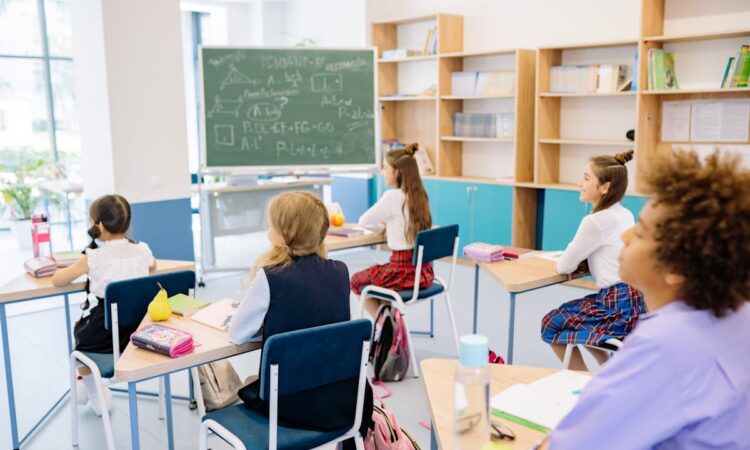
In today’s ever-changing world, critical thinking has become one of the most valuable skills a young person can develop. It goes beyond simply acquiring knowledge — it’s about learning how to analyse, question, reflect, and reason. Independent schools in the UK are increasingly placing a strong emphasis on critical thinking as part of a broader, holistic education that prepares pupils for life beyond the classroom.
What Is Critical Thinking?
This private school in London suggests that critical thinking refers to the ability to think clearly and rationally, understanding the logical connection between ideas. It involves questioning assumptions, evaluating evidence, and considering different perspectives before reaching conclusions. In education, this means encouraging pupils not just to accept facts but to explore why they are true, and how they fit into a larger picture.
Why Independent Schools Prioritise Critical Thinking
Independent schools often have the flexibility to go beyond the constraints of the national curriculum. This freedom allows them to integrate critical thinking more thoroughly across subjects. Whether in English Literature, History, or Science, pupils are encouraged to engage in thoughtful discussion, ask probing questions, and challenge ideas respectfully.
Smaller class sizes also support the development of critical thinking. With more individual attention, teachers can foster debate, encourage diverse viewpoints, and create a classroom culture where it is safe to question and explore ideas without fear of judgement.
Developing Future-Ready Pupils
The world that today’s pupils will inherit is complex and fast-paced. Employers and universities are increasingly looking for individuals who can solve problems creatively, make informed decisions, and adapt quickly to new information. Critical thinking supports these outcomes by helping pupils become independent learners and confident communicators.
In independent schools, this is often embedded through interdisciplinary projects, debating societies, philosophy clubs, and inquiry-based learning methods. These approaches allow students to connect knowledge across subject areas and think in more nuanced and sophisticated ways.
Beyond Academic Success
The benefits of critical thinking extend well beyond exam results. Pupils who are taught to think critically are better equipped to navigate the challenges of daily life. They become more thoughtful citizens, able to evaluate media, understand differing viewpoints, and make ethical decisions.
Independent schools frequently nurture this through pastoral care programmes, ethical discussions, and opportunities for leadership and service. In doing so, they aim to shape not only academic achievers but also well-rounded, socially conscious individuals.
Incorporating critical thinking into the core of independent school education helps prepare pupils for a future where adaptability, reasoning, and empathy are crucial. By fostering an environment where ideas can be questioned and explored, independent schools give young people the tools they need not only to succeed academically but also to thrive as thoughtful, responsible members of society.