

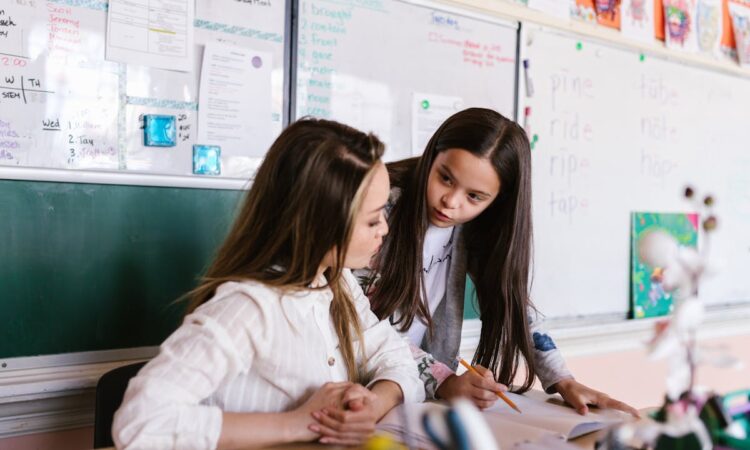
When it comes to helping children grasp new concepts and develop essential skills, few approaches are as effective as hands-on learning. Also known as experiential learning, this method encourages children to explore, experiment, and engage actively with the world around them — and it offers far-reaching benefits beyond the classroom.
What Is Hands-On Learning?
This private school in Wales suggests that hands-on learning is a teaching method that involves physical activity and direct interaction with materials. Whether it’s building a model, conducting a science experiment, gardening, or even preparing food, this approach moves away from passive learning (such as listening or reading) and places the child at the centre of the experience.
Rather than simply memorising facts, children learn by doing — which helps build deeper understanding, critical thinking, and long-term memory retention.
Building Curiosity and Confidence
Young children are naturally curious, and hands-on learning taps into that instinct. When they’re allowed to explore with their senses, ask questions, and discover things on their own terms, they’re more likely to stay engaged and enthusiastic.
This method also fosters a sense of independence and confidence. As children try, fail, and try again, they build resilience and take pride in their achievements. For many, the process of learning becomes just as rewarding as the outcome.
Supporting Different Learning Styles
Not all children learn in the same way. Some may thrive with visual aids, others with spoken explanations — but for many, kinaesthetic learning (learning through movement and touch) is key. Hands-on activities cater to a variety of learning styles, making education more inclusive and accessible.
For example, a child who struggles to understand fractions on paper may grasp the concept far more easily when cutting a pizza or sharing out pieces of fruit. By linking abstract ideas to real-world experiences, hands-on learning makes lessons more meaningful and memorable.
Enhancing Collaboration and Communication
Hands-on projects often involve working in pairs or groups, which naturally encourages teamwork and communication. Whether building a structure with blocks or planning a science project, children learn to share ideas, listen to others, and solve problems together.
These social skills are invaluable — not just for academic success but for everyday life. Learning how to work with others, express thoughts clearly, and respect different viewpoints builds a strong foundation for future relationships and responsibilities.
Bridging the Gap Between Home and School
Hands-on learning isn’t limited to the classroom. It can (and should) continue at home through everyday activities like cooking, DIY tasks, gardening, or exploring nature. Parents play an important role in reinforcing learning by encouraging their child to ask questions, make observations, and get involved in practical tasks.
When learning becomes part of everyday life, children begin to see education as something exciting, relevant, and fun.
Hands-on learning is more than just a teaching method — it’s a way of helping children develop into curious, capable, and confident individuals. By engaging all the senses and connecting learning to the real world, this approach not only boosts academic outcomes but also nurtures essential life skills. For your child, it can make all the difference.
Let me know if you’d like this tailored for a school website, nursery, or educational blog – happy to adapt tone or keywords.