

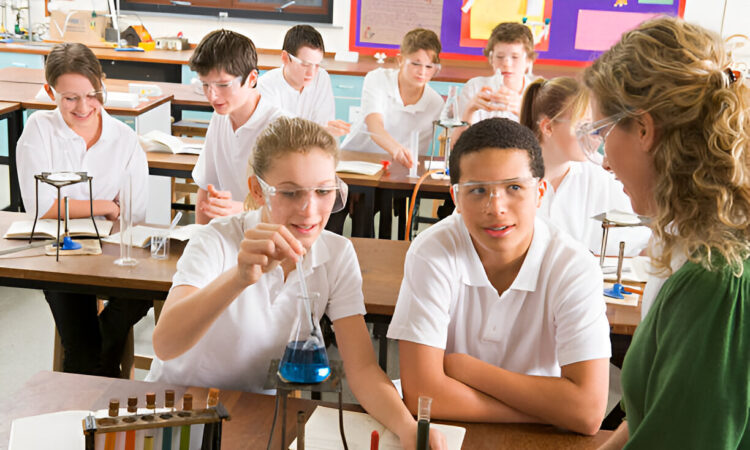
Chemistry is involved in our everyday lives, whether it is the toothpaste we put in our mouths every morning or the smartphones that we simply cannot be without.
Students who learn middle grade chemistry and find it difficult can ask their tutors to get some captivating books as resources, such as Magical Elements of the Periodic Table books and activities, because it helps them learn this complicated science in a manner that applies abstract notions to real-life situations through stories and study exercises.
Why Chemistry Education Matters
Chemistry is not only about teaching the kids about chemical formulas, but it also teaches life skills:
- Ample thinking ability to judge information and identify misinformation
- Problem-solving abilities applicable across all subjects
- Scientific literacy to understand medical and environmental news
- Career foundations for growing STEM fields
- Consumer knowledge of product contents and statements
- Such skills are useful regardless of whether the students will take up science careers or not.
Chemistry in Daily Life
Our homes are full of teachable chemistry moments:
- Cooking demonstrates reactions like caramelization and emulsification
- Cleaning products show acid-base chemistry in action
- Gardening involves pH balance and nutrient absorption
- Personal care items reveal how chemistry keeps us healthy.
Establishing these links will enable children to perceive chemistry as practical but not theoretical.
Preparing for Academic Success
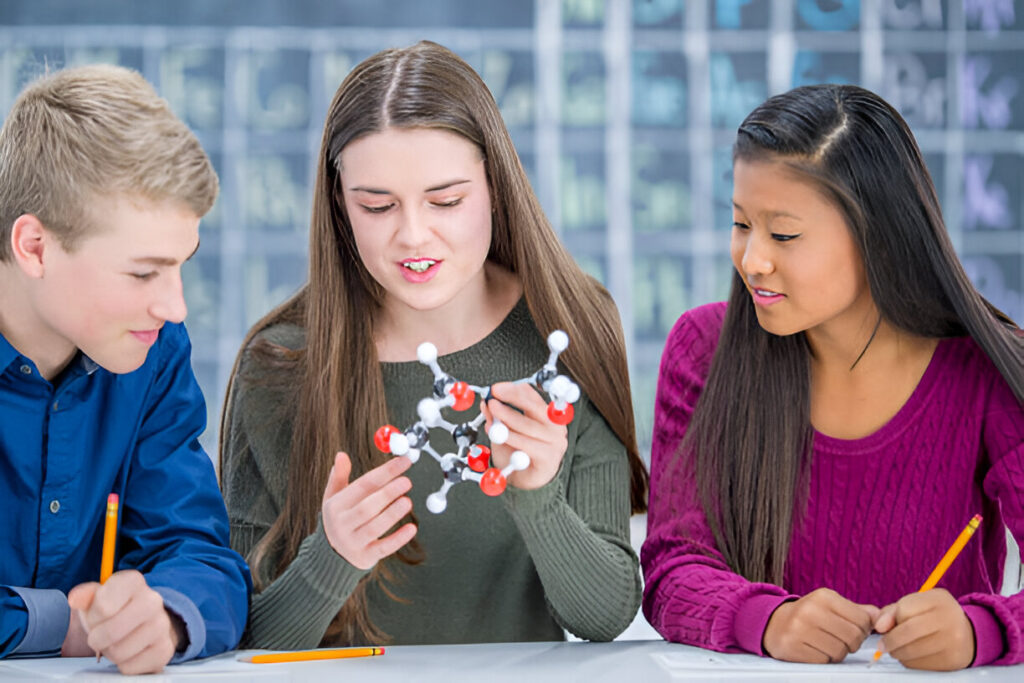
Important concepts to be introduced before high school:
- Proton, neutron, electron structure
- Molecular bonds fundamentals (ionic vs. covalent)
- Reaction types (synthesis, decomposition, combustion)
- Chemistry of solutions (solubility, concentration, saturation)
Intimidation is avoided with early exposure to such topics that will later be encountered in higher studies.
Making Chemistry Engaging
Effective teaching strategies include:
- Kitchen experiments (baking soda volcanoes, sugar crystallization)
- Digital simulations of molecular interactions
- Historical stories of famous discoveries
- Career connections to real chemists’ work.
Resources like Magical PT Elements and hands-on kits available online can bring these concepts to life beyond textbook learning.
The Bigger Picture
Chemistry education develops:
- Informed citizens who understand environmental and health issues
- Critical consumers who evaluate product claims sceptically
- Creative minds that could answer problems in the future
- Lifelong learners who are keen on the way the world operates.
By making the chemical world a familiar concept today, we are equipping our children to face an ever-increasing complex world of technology tomorrow.
Overcoming Chemistry Anxiety
Many students develop “chemistry phobia” due to:
- Abstract concepts that seem disconnected from reality
- Math-heavy equations that appear intimidating
- Rapid pace of high school chemistry courses.
Early, positive exposure through middle-grade chemistry resources can prevent this anxiety by:
- Building confidence through hands-on learning
- Making molecular concepts visual and tangible
- Relating lessons to phenomena that are familiar in everyday life.
Students are more likely to face challenges and develop an interest once they perceive chemistry as an adventure quest instead of a challenging study.
Transforming Young Minds Through Chemistry
To make the most out of inspiring young scientists, perhaps parents and educators should complement school courses on chemistry with popular books and donation kits. The proper resources will change fear into excitement so that students will learn that chemistry is not only a course but the secret to our wonderful world.