How an International Primary School in Singapore Prepares Kids for the Future

Key Takeaways
- International primary schools move beyond rote learning to prioritise critical thinking and adaptability for a changing global economy.
- Students at an international primary school benefit from a multicultural environment that fosters social-emotional intelligence and global citizenship.
- Effective curricula in international primary schools in Singapore integrate digital literacy and sustainable practices to prepare children for future technological shifts.
Introduction
Families find that the foundation laid during the early years of education dictates a child’s long-term academic confidence. Choosing an international primary school involves seeking a curriculum that includes core literacies and the development of a global mindset. Parents must identify an environment that challenges a child intellectually and supports their social integration into a diverse community. By understanding how international primary schools in Singapore blend rigorous standards with holistic growth, you can ensure your child develops the resilience required for the challenges of the next decade. Finding a school that matches your family’s values and financial planning allows for a stable, multi-year journey that fosters a genuine love for learning from the very first day of Primary 1.
Cultivating Global Perspectives and Social Intelligence
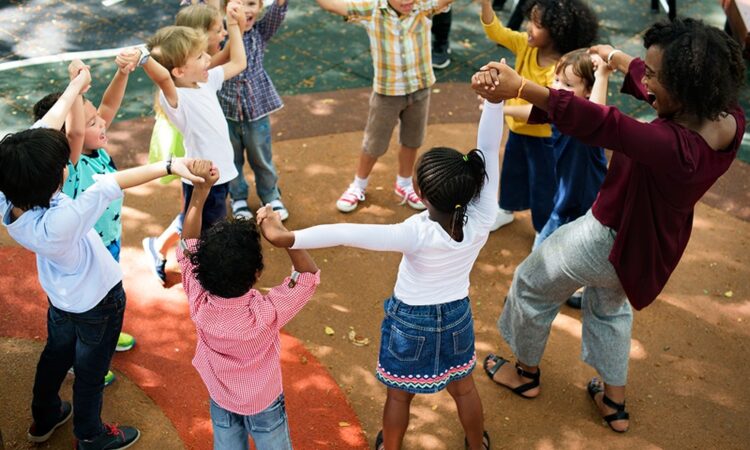
A primary education in a globalised setting provides a profound understanding of cultural diversity. In an international primary school, students interact daily with peers from dozens of different countries, each bringing unique perspectives to classroom discussions, which dismantles parochial thinking early in life and replaces it with a nuanced appreciation for different customs and worldviews. Teachers facilitate this by integrating global issues into the curriculum, encouraging students to consider how local actions impact the wider world. Consequently, children develop the soft skills necessary to navigate the complex social landscapes of the 21st century with empathy and poise.
Furthermore, international primary schools in Singapore place a heavy emphasis on collaborative learning models. Rather than sitting in silent rows, students frequently work in small groups to solve problems or complete projects, which mirrors the modern workplace, where the ability to communicate ideas clearly and negotiate with others determines success. Educators at institutions like Middleton International School focus on these interpersonal dynamics to ensure that students do not just excel individually but also contribute effectively to a team. By learning how to resolve conflicts and support their classmates, young learners build a foundation of social intelligence that serves them throughout their personal and professional lives.
Integrating Technology and Critical Thinking Skills
The rapid pace of technological change means that the specific hard skills students learn today may become obsolete by the time they enter the workforce. Recognising this, an international primary school prioritises the development of critical thinking and information literacy over mere memorisation. Students learn how to ask probing questions, verify the credibility of digital sources, and apply logic to unfamiliar scenarios. This inquiry-based approach ensures that children become lifelong learners who can adapt to new tools and systems as they emerge. Instead of fearing automation or artificial intelligence, students learn to view these technologies as resources to enhance their human creativity and problem-solving abilities.
Many international primary schools in Singapore also integrate coding, robotics, and digital design into their standard timetables. These subjects are woven into mathematics, science, and even the arts, showing students the practical applications of technology in various fields. By the time children complete their primary years, they possess a level of digital fluency that allows them to move from being passive consumers of technology to active creators. This preparation is vital for the future, where digital literacy will be as fundamental as reading and writing in almost every career path.
5 Essential Foundations of a Primary Curriculum
- Inquiry-Based Learning – Encourages children to lead their own investigations and develop a natural curiosity about the world.
- Multicultural Awareness – Promotes respect and understanding through daily interaction with a diverse student body.
- Digital Fluency – Teaches students to navigate and use technology responsibly and creatively across all subjects.
- Communication Skills – Focuses on both verbal and written expression to help students articulate complex ideas effectively.
- Resilience and Adaptability – Provides a supportive environment where students can take risks and learn from their mistakes.
Conclusion
The role of an international primary school has expanded from traditional schooling to becoming a vital training ground for a volatile future. By attending international primary schools in Singapore, children gain the resilience, cultural empathy, and analytical skills required to thrive in a global economy. Educators now focus on nurturing the whole child, ensuring that academic success accompanies emotional maturity and social responsibility. As parents navigate the admissions process, they are choosing the environment that will shape their child’s identity and future readiness. Investing in a holistic primary education ensures that the next generation remains capable, confident, and compassionate in the face of change.
To enrol your child in a holistic international primary school, contact Middleton International School today.