

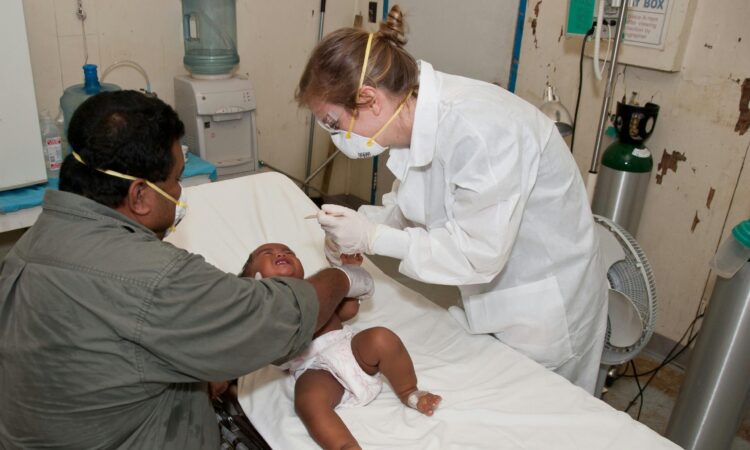
Neonatology is a specialized area of medicine focused on the health of newborn infants, particularly those born prematurely or with medical complications. Physicians in neonatologist jobs assess, diagnose, and treat complex conditions in the first days and weeks of life. Securing a position as a neonatologist involves extensive education, formal training in residency and fellowship programs, board certification, and a clear understanding of the employment landscape in hospitals and neonatal intensive care units. This article outlines the primary steps to establish and advance a career in neonatology, including requirements, training expectations, and compensation considerations.
The first phase in preparing for a neonatology career begins with undergraduate education. Students aspiring to medical school typically pursue a bachelor’s degree with a strong emphasis on biology, chemistry, physics, and mathematics. Broad academic preparation supports performance on the Medical College Admission Test and strengthens applications to medical school. Many applicants also engage in volunteer work, research projects, clinical exposure, or community service to build a robust portfolio that demonstrates commitment to medicine. Resources on application expectations, timelines, and preparatory activities are available through the Association of American Medical Colleges at https://students-residents.aamc.org/applying-medical-school/article/requirements-for-medical-school/, which provides guidance on navigating the transition from undergraduate study to medical education.
Upon acceptance to medical school, students enter a four year program that culminates in a Doctor of Medicine or Doctor of Osteopathic Medicine degree. The initial portion of medical school emphasizes foundational sciences such as anatomy, physiology, pharmacology, and pathophysiology. As students progress, clinical rotations immerse them in core disciplines including internal medicine, surgery, pediatrics, obstetrics and gynecology, psychiatry, and family medicine. It is during pediatric rotations that many future neonatologists gain their first direct experience with infant care and neonatal challenges. These rotations develop clinical judgment, procedural skills, and the ability to work collaboratively on healthcare teams.
Following graduation from medical school, physicians choose a residency in pediatrics as the next step toward neonatology. Pediatric residency programs typically span three years and include supervised experiences in general pediatric care. Residents learn to diagnose and treat conditions affecting children from infancy through adolescence, manage acute and chronic illnesses, and coordinate care with subspecialists. Strong performance during residency provides the foundation for subspecialty training. After completing residency, physicians seeking specialization in neonatology must enter an accredited fellowship program in neonatal-perinatal medicine. Fellowships usually last three years and involve concentrated training in neonatal intensive care, premature infant management, advanced life support techniques, and research methodologies relevant to early life physiology and pathology.
Certification and licensure are essential components of entering clinical practice as a neonatologist. Physicians must be licensed by the medical board in the state where they intend to work, and they must pass a series of examinations demonstrating competence in medical knowledge, clinical judgment, and ethical practice. Beyond basic medical licensure, physicians pursuing neonatology typically achieve board certification in pediatrics and further certification in neonatal-perinatal medicine. Professional organizations oversee these processes and set standards for competency and continuing education. For detailed information on pediatric board certification requirements and continuing professional development, the American Board of Pediatrics outlines criteria at https://www.abp.org/content/board-certification-pediatrician, which helps physicians understand specialty expectations and maintenance of certification protocols.
Successful completion of fellowship training and board certification prepares physicians to apply for employment as neonatologists. Hospitals, academic medical centers, and dedicated neonatal intensive care units advertise opportunities that vary in clinical responsibilities, research involvement, teaching roles, and administrative duties. When applying for positions, candidates should prepare detailed curriculum vitae that highlight clinical experiences, research publications, presentations, teaching activities, and professional affiliations. Recommendations from mentors, residency and fellowship directors, and supervising faculty can provide valuable context for hiring committees evaluating potential candidates.
Interview processes for neonatology roles often explore clinical judgment, interpersonal communication, leadership in critical care settings, and the ability to navigate emotionally challenging discussions with families. Candidates should be prepared to describe their approach to complex neonatal care, including ventilation strategies for premature infants, management of neonatal sepsis, support for infants with congenital anomalies, and coordination with multidisciplinary teams including nursing staff, respiratory therapists, occupational therapists, and social workers. Demonstrating an understanding of quality improvement initiatives, patient safety protocols, and evidence based practice can strengthen an applicant’s position.
Compensation for neonatologists reflects advanced training and the intensity of clinical responsibilities. Salaries vary by geographic region, type of institution, years of experience, and the balance of clinical, research, or teaching duties. Neonatologists working in metropolitan hospitals or academic health systems may have different compensation structures than those in community hospitals or regional health networks. In addition to base salary, employment packages may include benefits such as health insurance, retirement contributions, malpractice insurance coverage, continuing medical education funds, relocation assistance, and incentives for service in underserved areas. To explore current salary trends, employment projections, and job outlook data for physicians and surgeons including pediatric subspecialists, the U.S. Bureau of Labor Statistics offers authoritative occupational information at https://www.bls.gov/ooh/healthcare/physicians-and-surgeons.htm, which can guide negotiations and career planning.
Networking and professional engagement are important for long term career development. Participation in professional societies, attendance at specialty conferences, collaboration on research projects, and contributions to clinical guidelines help neonatologists maintain currency with evolving scientific knowledge and best practices. Building a professional reputation within neonatal medicine can open pathways to leadership roles, committee service, academic appointments, and opportunities to shape policy and care delivery models.
Becoming a neonatologist requires sustained commitment, rigorous training, and a dedication to improving outcomes for the most fragile patients. By fulfilling educational prerequisites, completing required clinical training, obtaining board certification, and engaging thoughtfully in the job search process, physicians can secure meaningful roles in neonatal care and contribute to the health and well-being of new born infants and their families.