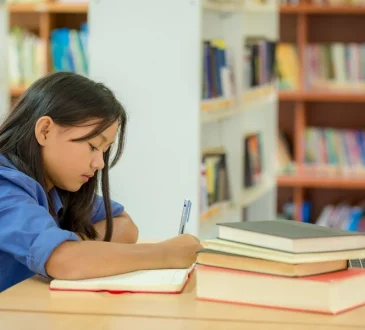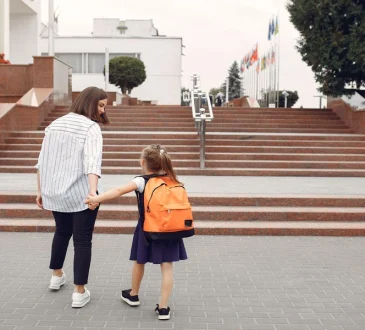


Parents often hope their children find a place where learning feels steady, not rushed. A school becomes meaningful when a child walks in and senses a calm rhythm in the way each day moves. Teachers guide them, classmates bring energy, and small wins slowly build confidence. These moments matter, especially for families searching for a high school in singapore for international students, because a long term path helps a child feel grounded even when everything else in life changes.
A guided learning path supports steady growth
As students move up, lessons slowly shift. Subjects gain structure, but not in a way that feels heavy. A guided learning path works like a quiet roadmap. It gives direction without locking students into one way of thinking. They discover connections between subjects, like how a simple science experiment links back to writing, or how a story in class helps them understand another culture. Some students find their pace quickly. Others take longer. A good school adapts to both. It lets learners try, pause, adjust, and try again.
Teachers shape confidence and curiosity each day
One student might hear a math explanation in a new way. Another might discover a passion for art because a teacher shares a memory from their own schooling. These personal touches add warmth. Good teachers also know when a student needs space. They notice when someone is struggling with a topic and gently shift the approach. Over time, students pick up confidence not from big achievements but from consistent support.
What students experience as subjects become more complex
When learners reach higher levels, the jump in difficulty becomes real. Subjects stretch their thinking. Tasks require planning. Projects take weeks instead of days. This stage prepares them for bigger academic demands. Students begin to practise research skills, hold discussions, and defend their ideas. They learn how to manage time, something older learners often mention as a turning point. They also see how the world outside connects with what they learn. A lesson on literature may link to global issues, while a science class might tie into everyday problem solving. These moments help them understand that education is not separate from life.
How older learners prepare for future goals
By the time students move toward their final school years, they start forming clearer goals. Some students focus on science. Others lean toward arts or languages. A few are unsure, and that is normal. Schools with strong senior programmes offer steady guidance so learners can explore without pressure. Older students often work on long projects that require discipline and reflection. They analyse their strengths, speak with mentors, and plan steps toward future studies. A small business owner once shared how their teenager became more organised after working through one of these extended tasks. Growth shows up in unexpected ways.
Even with all the academic steps, growth often appears in the quietest moments. A student helping a classmate during group work. A teacher giving a quick reassuring nod before a presentation. A group laughing together between lessons. These habits strengthen them before they move into their final stage in a high school in singapore for international students, where independence becomes more important.