
Strong study foundations that guide children toward better understanding and growth

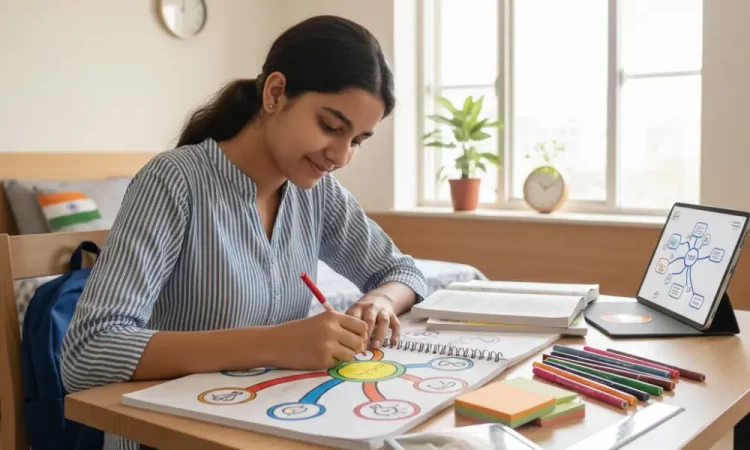
Kids have this unpredictable way of learning. They understand something in a flash one day, and then the next day that same topic feels heavy and they get tired even before trying. Parents notice these shifts quietly. They keep trying small things, hoping something will help the child feel lighter during study time. And sometimes, in the middle of that slow search for gentle ideas, a soft reminder like click here ends up helping them feel less lost and a little more hopeful.
Why children benefit from clear and calm learning spaces
Children sense their surroundings more deeply than we imagine. A crowded desk can pull their attention in ten different directions. Even small objects lying around can distract them without them realising it. When the space is simple and calm, the child’s mind settles without much push.
It does not have to be a perfect study corner. Even a small table near a window works if it feels peaceful. Children often relax when the area feels open, almost like the space tells them it is alright to take their time.
Parents sometimes think they need to set up fancy learning corners, but many children work better in a plain setting. A quiet corner, a book, and some natural light can be more powerful than colourful decorations.
Methods that encourage children to explore ideas with ease
Each child has a personal style of learning. Some talk while they think. Some draw tiny pictures to connect ideas. Some repeat the same sentence until it feels familiar. None of these methods are wrong. They simply show how the child’s mind works.
Parents who watch quietly instead of correcting too quickly often discover the child’s natural way of understanding things. And once learning feels natural, the child stays with it longer. Their mind becomes curious. They start exploring without waiting for someone to push them.
Ways to support learning without creating pressure
Pressure makes the mind stiff. Children may sit with the book open, but nothing enters when pressure is heavy. Short study times often work better. A few minutes of learning, a short pause, and then another small stretch of effort. It keeps the child from feeling trapped.
Parents can ask simple questions before starting. Which part looks easy today. Which part feels confusing. When the child answers honestly, everything becomes clearer for both of them. There is no guessing, no unnecessary stress.
A child learns best when they feel understood, not controlled. This one shift alone can change how they approach studies.
Over time these small habits slowly turn into a part of them. And when they slip or wander off a bit, a gentle nudge like click here pulls them back toward the little path they were building, without making them feel forced.
Children do not need strict rules or long study hours. They need comfort, patience, and a space where learning feels safe. When parents offer these small things again and again, the child slowly grows into someone who learns with confidence instead of fear.