

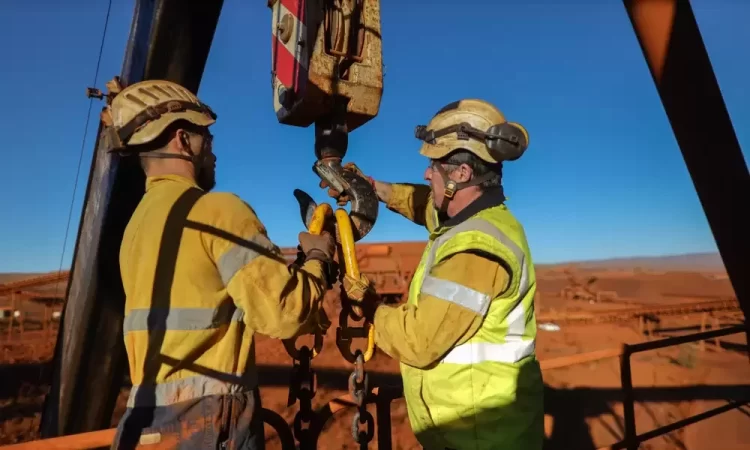
When construction sites buzz with the mechanical symphony of cranes and heavy machinery, the THT Academy – Rigger and signalman course emerges as the critical foundation that separates amateur operations from professional excellence. In Singapore’s rapidly evolving construction landscape, where towering developments reshape the skyline monthly, the demand for skilled riggers and signalmen has never been more pressing.
The statistics tell a sobering story. Lifting operations account for a significant portion of workplace incidents across construction sites, yet these accidents remain largely preventable through proper training and certification. What transforms ordinary workers into safety-conscious professionals isn’t luck or intuition; it’s comprehensive education that builds competence from the ground up.
Why Professional Rigging Training Matters
Singapore’s construction industry operates under some of the world’s most stringent safety regulations, and for good reason. Every lifting operation carries inherent risks that multiply exponentially without proper oversight. The difference between a successful lift and a catastrophic failure often comes down to the expertise of the rigger and signalman team.
Professional rigger and signalman training addresses these challenges systematically. Rather than learning through trial and error, a luxury no construction site can afford, structured education provides workers with proven methodologies that have been refined through decades of industry experience.
Understanding the Rigger’s Critical Role
The rigger serves as the architect of every lifting operation. Their responsibilities extend far beyond simply attaching hooks to loads. A competent rigger must evaluate weight distribution, assess environmental conditions, select appropriate equipment, and ensure every connection point meets safety specifications.
Key responsibilities include:
- Calculating load weights and centre of gravity points
- Selecting appropriate slings and rigging hardware
- Inspecting equipment for defects or wear
- Determining optimal lifting points and angles
- Securing loads to prevent shifting during transport
The Signalman’s Communication Mastery
If the rigger is the operation’s architect, the signalman serves as its conductor. This role demands absolute precision in communication, as even minor misunderstandings can result in serious accidents. The signalman acts as the crane operator’s eyes and ears, providing crucial guidance when visibility is limited or distances are significant.
Effective signalmen master standardised hand signals that transcend language barriers. The training emphasises:
- Standard hand signal protocols recognised internationally
- Voice communication techniques for complex operations
- Emergency stop procedures and crisis management
- Coordination with multiple crane operators simultaneously
- Risk assessment and hazard identification
Comprehensive Course Structure and Learning Outcomes
The rigger signalman training programme spans two intensive days, combining theoretical knowledge with hands-on practical application. This balanced approach ensures participants understand both the scientific principles underlying safe lifting operations and the real-world skills needed to execute them successfully.
The curriculum covers essential competency elements systematically. Participants begin with fundamental concepts like load dynamics and equipment specifications before progressing to complex rigging scenarios. The theoretical component provides the knowledge foundation, whilst practical sessions allow learners to apply these concepts under expert supervision.
Assessment methodology reflects industry standards, requiring both written comprehension and practical demonstration. The written examination tests theoretical understanding through multiple choice questions, whilst the practical assessment evaluates real-world performance under realistic conditions.
Certification and Professional Recognition
Successful completion results in a Statement of Attainment under Singapore’s Workforce Skills Qualifications framework. This certification opens doors to:
- Certified rigger positions across construction projects
- Signalman roles in marine and offshore operations
- Lifting supervisor positions with additional experience
- Safety coordinator responsibilities in high-risk environments
Investment in Professional Development
Singapore offers generous funding support for skills training through multiple schemes:
- Skills Development Fund for company-sponsored training
- Skills Redevelopment Programme for career transitions
- SkillsFuture credits for individual professional development
These funding mechanisms recognise that investment in worker competency benefits the entire industry through safer work sites, reduced costs, and enhanced project efficiency.
Industry Demand and Career Prospects
Singapore’s construction boom shows no signs of slowing, with major infrastructure projects spanning transport networks, residential developments, and commercial complexes. This sustained growth translates into consistent demand for qualified lifting operations personnel.
The specialised nature of rigging work means certified professionals often command premium wages compared to general construction workers. Moreover, the transferable skills gained through professional training open opportunities across multiple sectors, from shipbuilding to industrial maintenance.
Making the Professional Leap
The transition from untrained worker to certified professional represents more than just career advancement; it’s an investment in personal safety and professional reputation. In an industry where competence can be a matter of life and death, comprehensive training provides both practical skills and peace of mind.
The construction industry’s evolution toward increasingly sophisticated equipment and complex projects means that informal training methods are no longer sufficient. Today’s riggers and signalmen must demonstrate verifiable competency through recognised certification programmes.
For individuals serious about advancing their careers in construction, marine, or industrial sectors, completing a rigger and signalman training programme represents a logical and necessary step. The combination of theoretical knowledge, practical skills, and industry recognition positions graduates for long-term success in Singapore’s dynamic construction environment.
The pathway to professional excellence begins with a single decision: choosing comprehensive training that meets industry standards. In a field where expertise directly impacts safety outcomes, the THT Academy – Rigger and signalman course provides the foundation for a successful and rewarding career.