

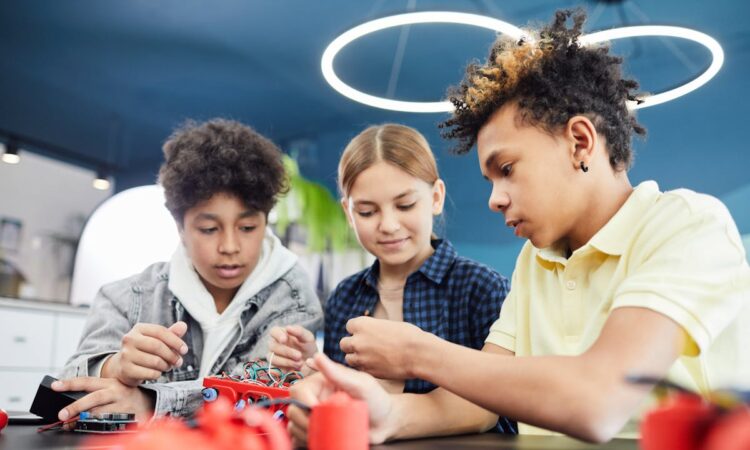
As parents and educators, we all want to prepare children for success – not just academically, but in life. While maths, reading, and science are important, there are other vital life skills that will help children grow into capable, confident, and resilient adults. Teaching these skills from a young age lays a strong foundation for their personal and social development. Here are five key life skills every child should begin learning early on.
1. Communication Skills
Being able to express thoughts and emotions clearly and respectfully is one of the most important life skills a child can develop. Whether it’s speaking up in class, resolving playground disagreements, or asking for help, strong communication builds confidence and improves relationships.
You can support this by encouraging children to talk about their day, explain how they’re feeling, and use “I” statements (e.g., “I feel upset because…”). Reading books together and asking open-ended questions also strengthens vocabulary and listening skills.
2. Decision-Making and Problem-Solving
Life is full of choices – and teaching children how to make good decisions helps them become more independent and responsible. Start with simple decisions, like choosing between two snacks or picking what to wear for the weather. As they grow, help them weigh pros and cons, think through consequences, and consider how their choices affect others.
Problem-solving goes hand in hand with decision-making. This private school in Dublin recommends encouraging your child to come up with solutions when they face challenges – whether it’s fixing a broken toy or managing a disagreement with a friend.
3. Resilience and Managing Emotions
Children face disappointments, failures, and setbacks just like adults do. Learning to bounce back and manage difficult emotions is key to mental health and long-term success. Help your child understand that it’s okay to feel upset, frustrated or nervous – and teach them calming techniques such as breathing deeply, counting to ten, or talking it through with someone they trust.
Praise effort over outcomes and model how you handle tough situations yourself. This builds a growth mindset, showing children that mistakes are opportunities to learn.
4. Time Management and Responsibility
Even young children can begin to understand routines and take ownership of small tasks. Teaching time management early – such as sticking to a morning routine, packing their own bag, or helping with chores – sets them up for better organisation and self-discipline later in life.
Using visual schedules or checklists can help children feel more in control of their time. Celebrate their achievements and gradually increase responsibilities as they grow.
5. Empathy and Kindness
Empathy is the ability to understand how others are feeling – and it’s a crucial skill for building strong relationships and creating a kinder world. Encourage your child to consider other people’s perspectives, talk about feelings, and look for ways to be helpful.
Acts of kindness, such as sharing, including others in play, or writing a thank-you note, can all help build empathy. Children learn best by example, so model compassion in your own interactions.
Life skills are just as essential as academic knowledge. By nurturing communication, resilience, decision-making, time management, and empathy from a young age, we equip children with the tools they need to thrive – both now and in the future. These lessons don’t need to be formal; often, the best learning happens through everyday moments, guided with care and encouragement.